
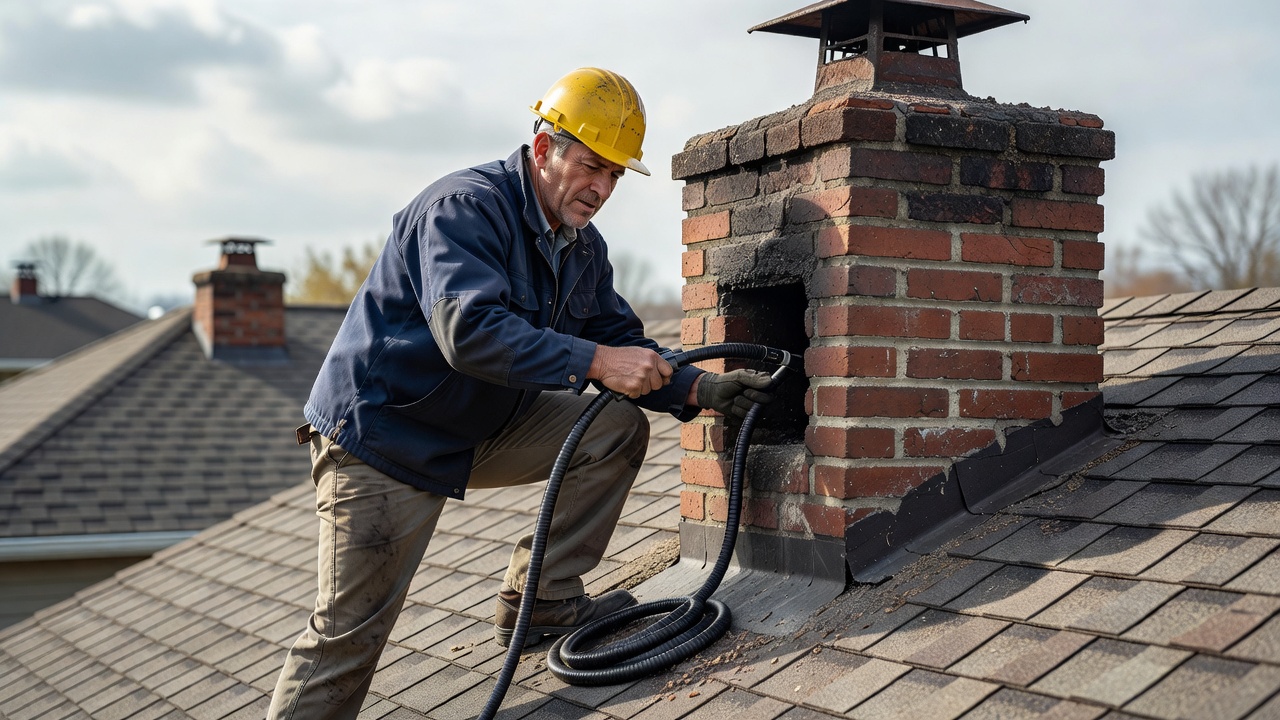
Chimney Inspection in Teaneck, NJ
A chimney inspection is a structured, close-up evaluation of every part of your chimney system from the firebox at the bottom to the cap at the very top to confirm it can contain heat and combustion gases safely before you light another fire. It matters because a chimney that looks fine from the living room can be hiding cracked flue tiles, deteriorated mortar, or a blocked liner that silently routes carbon monoxide into your home. For Teaneck homeowners, this isn’t a theoretical risk: Bergen County’s wide temperature swings freezing January nights followed by damp spring thaws accelerate the exact kinds of masonry and liner damage that inspections are designed to catch.
Whether you just bought a home on Garrison Avenue, haven’t used your fireplace in three seasons, or are simply following up after last winter’s heavy use, a professional inspection gives you a clear, honest picture of where things stand.
Why Teaneck Homes Are Particularly Hard on Chimneys
A large share of Teaneck’s housing stock was built between the 1920s and the 1960s, which means many chimneys were constructed before modern flue-tile standards existed. Some were later converted from oil or coal heating to gas appliances without the liner being resized a mismatch that accelerates condensation and liner decay. Add to that the freeze-thaw cycles common along the Hackensack River corridor every winter, and it becomes clear why mortar joints and crowns in this part of Bergen County tend to show wear faster than industry averages suggest.
We inspect chimneys in Teaneck every week. We know what the local housing stock looks like, and we know where the weak points show up first.
How a Chimney Inspection Actually Works — Step by Step
We don’t show up, glance up the flue with a flashlight, and hand you a form. Here is what a thorough inspection looks like in practice:
- Exterior assessment: We start at the roofline chimney cap, crown, flashing, and the masonry itself. We look for efflorescence (white mineral staining that signals water infiltration), spalled bricks, open mortar joints, and flashing that has pulled away from the stack.
- Firebox and smoke chamber review: Inside, we examine the firebox walls, the damper operation, and the smoke chamber above it. Cracked refractory panels and deteriorated smoke-chamber parging are common findings in older Teaneck homes.
- Flue liner evaluation: We use a high-resolution camera system to run a video scan of the flue interior. This is the step that reveals cracked tile sections, liner gaps, blockages, and any points where the liner has separated — none of which are visible to the naked eye from below.
- Appliance connector check (gas systems): If your fireplace insert or furnace connects to this flue, we verify the connector sizing, clearances, and that there are no shared-flue conflicts.
- Written findings summary: You receive a plain-language report documenting what we found, photos from the camera scan, and a clear explanation of anything that needs attention — prioritized so you understand what’s urgent versus what’s worth monitoring.
Which Level of Inspection Do You Need?
The Chimney Safety Institute of America (CSIA) and NFPA 211 define three inspection levels. We’ll tell you upfront which one applies to your situation we won’t upsell you to a higher level you don’t need.
- Level 1: For chimneys in continuous use with no changes to the appliance or fuel type. A visual check of accessible areas, no specialized equipment required. Appropriate for annual maintenance inspections.
- Level 2: Required when you’re buying or selling a property, after any change to the heating system or fuel, or following a chimney fire or weather event. Includes video scanning of the entire flue. This is the level most Teaneck home buyers need at closing.
- Level 3: Reserved for situations where a concealed hazard is strongly suspected and access panels or portions of the structure must be opened to investigate. We’ll explain clearly if we believe this is warranted and why.
What the Inspection Covers and What It Doesn’t Promise
An inspection tells you the condition of your chimney system on the day we visit. It is not a repair if we find cracked flue tiles, open mortar joints, or a deteriorated crown, those are separate items we can quote and schedule. We won’t pressure you at the appointment. You’ll leave with information; what you do with it is your decision. That said, if we find something that makes the appliance immediately unsafe to operate, we’ll say so directly.
Teaneck Trust: Who We Are and What We Stand Behind
Teaneck Chimney is a locally operated company serving Teaneck and the surrounding Bergen County communities. Our technicians are CSIA-certified, and we carry full liability insurance. We’ve worked on chimneys in every neighborhood in town the older colonials near Votee Park, the cape cods off Cedar Lane, the postwar ranches bordering Bogota. We’re not a franchise dispatching crews from out of county; we live and work in this area, and our reputation here matters to us.
We do not perform inspections as a loss-leader to manufacture repair sales. If your chimney is in good shape, we’ll tell you that.
Answers to Specific Questions Teaneck Homeowners Ask Us
My home inspector already checked the chimney during the real estate transaction — do I still need a separate chimney inspection?
Almost always, yes. A general home inspector performs a visual scan of accessible areas typically a Level 1 equivalent at best and rarely has the camera equipment to evaluate the flue liner itself. NFPA 211 specifies that a real estate transaction triggers a Level 2 inspection, which requires video scanning. Many chimney problems that lead to expensive repairs or unsafe conditions are only visible inside the flue. We regularly find significant liner damage in Teaneck homes that received a passing comment on a home inspection report.
How often should a Teaneck homeowner schedule a chimney inspection, even if the fireplace isn’t used much?
Once per year is the standard recommendation from both the CSIA and the National Fire Protection Association — regardless of how often the fireplace is used. A seldom-used chimney can develop animal nests, moisture intrusion, and liner deterioration just as readily as a heavily used one. In Bergen County specifically, the winter freeze-thaw cycle works on your masonry whether or not there’s been a fire recently. An annual inspection keeps small problems from compounding into costly ones.
What happens if you find damage during the inspection — are we obligated to have Teaneck Chimney do the repairs?
No. The inspection and any repair work are entirely separate transactions. If we identify issues, we’ll provide a written description of what we found and what addressing it involves. You’re welcome to get additional quotes or take time to decide. We do ask that if a condition makes the appliance unsafe to use, you hold off on using it until it’s addressed but that’s a safety note, not a sales obligation. Our goal is to give you accurate information; the decisions are yours.
Schedule Your Chimney Inspection in Teaneck Today
Don’t head into heating season guessing about the condition of your flue. A chimney inspection from Teaneck Chimney takes a couple of hours, gives you documented answers about your system, and costs far less than discovering a problem after the fact. We serve Teaneck and all of Bergen County, with appointments available on weekdays and Saturdays.
Call us or use the contact form below to schedule your inspection. Tell us your address and what you’re working with fireplace, insert, or furnace flue and we’ll confirm the right inspection level and get you on the calendar.
Related from Teaneck Chimney: Chimney Sweep in Teaneck, NJ · Smart Chimney Inspection Englewood NJ · Practical Guide to Dryer Vent Cleaning Teaneck NJ