
Smart Timing for Chimney Repair Ridgefield Park NJ: 2026 Guide for Bergen County Residents
Are you putting off a cracked flue tile or a crumbling mortar joint because it doesn’t seem urgent right now? That’s exactly how a $400 repointing job turns into a $4,000 rebuild and we see it happen every season across Bergen County. Scheduling chimney repair in Ridgefield Park NJ at the right time of year isn’t just about convenience. It’s about protecting your home before the freeze-thaw cycles that batter northern New Jersey do the damage for you.
We want to be direct with you: some of what you read online makes chimney work sound simpler than it is. This guide will tell you what’s genuinely safe to do yourself, when you should call us, and critically when during the calendar year that call matters most.
A Bogota Homeowner Who Waited Until December
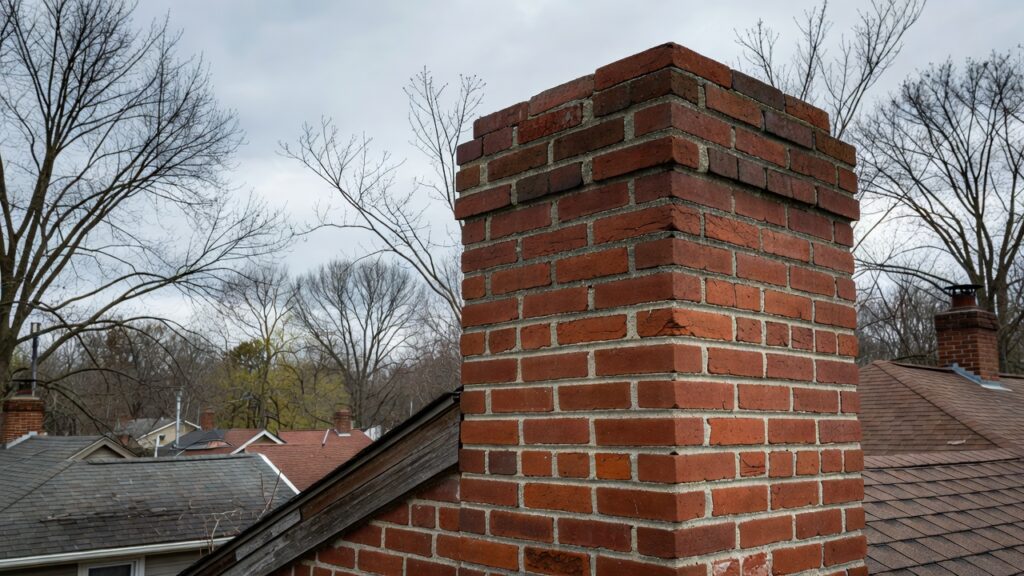
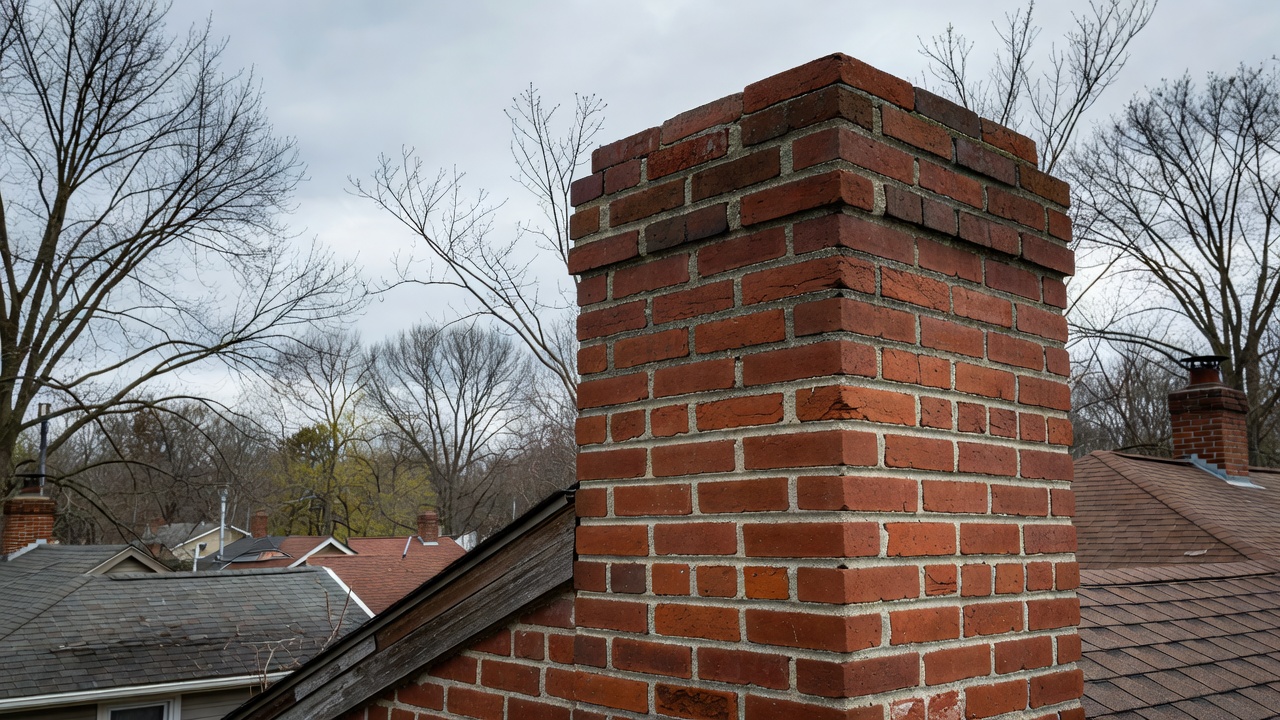
Last December, a homeowner in Bogota reached out to us after noticing white staining on the exterior of their chimney and a soft, crumbling section of mortar near the roofline. They’d seen it in October, assumed it could wait, and planned to call after Thanksgiving. By the time we got on the roof, two courses of brick had shifted slightly and water had already worked behind the flashing. What would have been a straightforward repointing visit in October had grown into a repair that also required reflating and a closer look at the liner. The chimney itself was original to the house a common situation in Bogota’s older Colonial-style stock and the mortar was the softer pre-1980s mix that deteriorates faster once moisture gets a foothold.
They weren’t negligent. They just didn’t know what the timing cost them.
What the Seasons Actually Mean for Your Chimney in This Part of New Jersey
Spring: The Best Window You Probably Aren’t Using
March through May is the single best time to book chimney repair anywhere in Bergen County, and most homeowners don’t take advantage of it. After a northern New Jersey winter with its repeated freeze-thaw cycles from January through early March the damage is fully visible, and the weather is cooperative enough for mortar to cure properly. Most masonry repair requires temperatures above 40°F for the materials to set correctly. Spring gives us that window reliably.
Spring is also when our schedule has more flexibility. If you’re in Ridgefield Park, Bogota, or nearby Leonia and you call us in April, we can usually get out within a week or two. That same call in October might mean a three-week wait.
Summer: Still Good, but Book Early
June through August works well for repair work. Mortar cures well, the weather is predictable, and any masonry we repoint or rebuild has months to fully harden before the first freeze. The catch is that summer is our busiest period. Homeowners across Fort Lee, River Edge, and Englewood are all thinking about the same thing, and scheduling gets tighter by mid-June. If you know you need work done and a spring inspection told you so book it early in the summer, not late.
One thing summer is good for that spring sometimes isn’t: full liner inspections and relining projects. Dry conditions inside the flue make camera work cleaner and any chimney relining service easier to complete in a single visit.
Fall: The Rush Everyone Waits For
September and October are when the phones ring constantly. Every homeowner in Bergen County who hasn’t thought about their chimney all year suddenly wants an inspection before the first fire. We understand the instinct it makes sense to check the system before you use it. But fall creates real scheduling pressure, and if repairs are needed, the window to do them before cold weather sets in is shorter than most people realize.
According to NFPA 211, the standard that governs chimney inspection and maintenance in the U.S., chimneys should be inspected at least once a year. If that inspection reveals structural damage spalling brick, deteriorated crown, failed mortar joints and you’re calling us in mid-October, you may be looking at a November repair in marginal curing temperatures, or a delay until spring. Neither is ideal.
Fall is a fine time for a Level 1 or Level 2 chimney inspection. It is not the best time to discover you need significant masonry work.
Winter: What You Can and Cannot Do
From December through February, masonry repair becomes genuinely difficult. Mortar products have cold-weather additives, but sustained temperatures below freezing compromise curing regardless of the mix. We won’t promise you a quality repair in January that we wouldn’t stand behind in April. Emergency stabilization tuck-pointing a single dangerous joint, securing a loose cap can be done when necessary. Full rebuilds and repointing projects wait for warmer weather.
The CSIA (Chimney Safety Institute of America) is clear that water is the primary enemy of masonry chimneys. Winter is when that enemy has the most leverage: water expands roughly 9% when it freezes, and even a hairline crack filled with moisture will widen measurably over a single hard freeze. A chimney that had minor cracking in November can have a genuinely compromised structure by February.
What You Can Safely Handle Yourself and What You Shouldn’t
We get asked this a lot, and we’d rather give you an honest answer than a self-serving one.
Homeowners can reasonably manage a few things. Keeping gutters clear reduces water running toward the chimney base. Visually checking the chimney crown from the ground for obvious cracking after a hard winter is sensible. Replacing a chimney cap that’s simply come loose if you’re comfortable on a ladder and the roof pitch is manageable is within reach for someone handy.
What genuinely needs a professional: anything involving mortar joints, brick replacement, flashing repair, liner assessment, or crown rebuilding. These aren’t just skilled-labor tasks they’re safety-critical ones. A flue liner with a crack you can’t see from the firebox can allow carbon monoxide to migrate into living space. Flashing that looks fine from below can be pulling away from the chimney in ways that won’t show up until you have a water stain on your ceiling. According to the CSIA, a professional chimney sweep with CSIA certification has the training to identify hazards that aren’t visible to the untrained eye and that matters when you’re talking about combustion gases and structural water intrusion.
We’ve seen well-meaning DIY repointing jobs in Oradell and New Milford where the homeowner used the wrong mortar type modern Portland cement mixes on older soft brick, and the repair actually accelerated damage by trapping moisture. The chimney looked fixed. It wasn’t.
The Real Cost of Waiting
Minor repointing on a single face of a chimney in Bergen County typically runs $300 to $600 in 2026, depending on height and access. A full crown rebuild runs $800 to $1,500. Full chimney rebuilds from the roofline up — the outcome of years of deferred maintenance routinely exceeds $5,000. We’re not quoting those numbers to alarm you. We’re quoting them because the difference between the first and last scenario is almost always timing.
Ready to Get Ahead of It This Year?
If you’re in Ridgefield Park, Bogota, Cliffside Park, or anywhere else in Bergen County, the smartest move you can make right now is to get a professional eye on your chimney before summer books up. Our team offers free estimates, and we’ll tell you honestly what needs attention now versus what can wait. Reach out through our website contact form and we’ll get back to you promptly no pressure, no upsell, just a straight assessment from people who know these chimneys.
Frequently Asked Questions
What is the best time of year to schedule chimney repair in Ridgefield Park NJ?
Spring specifically March through May is the best window. Temperatures are consistently above 40°F, which mortar needs to cure properly, and our schedule is less congested than it is in the fall rush. Damage from the winter freeze-thaw cycle is also fully visible by March, so nothing gets missed.
Can I do my own chimney repair in New Jersey, or do I need a licensed contractor?
New Jersey doesn’t require a specific chimney contractor license for most repair work, but that doesn’t mean DIY is a good idea for structural repairs. Mortar mix selection, flashing integration, and liner assessment require professional training. Using the wrong materials a common DIY mistake can make damage worse. Stick to cosmetic and maintenance tasks yourself and call a pro for anything structural.
How do I know if my chimney needs repair before winter, or can it wait until spring?
If you see white staining (efflorescence), crumbling mortar, spalling brick, or water stains inside your fireplace, don’t wait. Those are signs that moisture has already entered the masonry. If the damage is minor and discovered in late fall, we’ll give you an honest read on whether an emergency visit is warranted or whether a spring repair is safe given your specific situation.
Why does freeze-thaw damage matter so much in Bergen County?
Northern New Jersey winters typically cycle above and below freezing dozens of times between November and March. Each cycle forces water that has seeped into cracks to expand and contract. Over a single winter, a small crack can become a structural gap. Homes in Bogota, Ridgefield Park, and Leonia many of them built before 1970 have older masonry that’s more porous and particularly vulnerable to this cycle.
What does a chimney inspection involve, and how is it different from a repair?
An inspection either a Level 1 visual assessment or a Level 2 inspection with camera equipment identifies what needs attention. NFPA 211 defines these levels and what each cover. Repair is the corrective work that follows. We recommend scheduling an inspection first; it tells you exactly what repair scope you’re dealing with and helps you plan the budget and timing accurately.
How long does chimney repointing or masonry repair take on a typical Bergen County home?
A straightforward repointing of one or two chimney faces on a standard two-story home typically takes four to six hours of on-site work. More extensive repairs crown rebuilding, brick replacement, full relining can run one to two full days. We always scope the work before scheduling so there are no surprises on the day of service.
Related from Teaneck Chimney: Smart Timing for Chimney Repair Englewood Cliffs NJ · Smart Timing for a Chimney Sweep Ridgefield Park NJ