
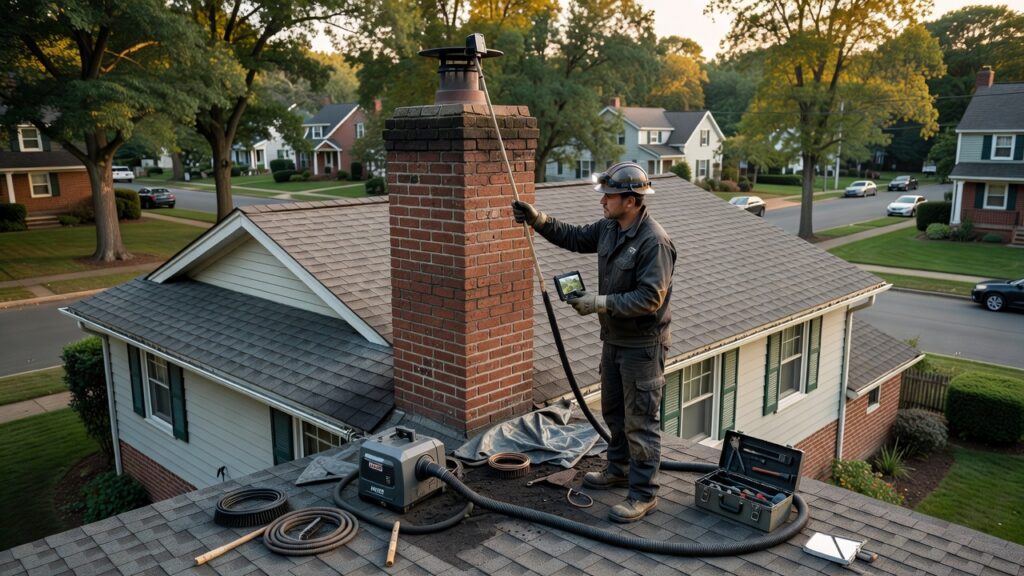
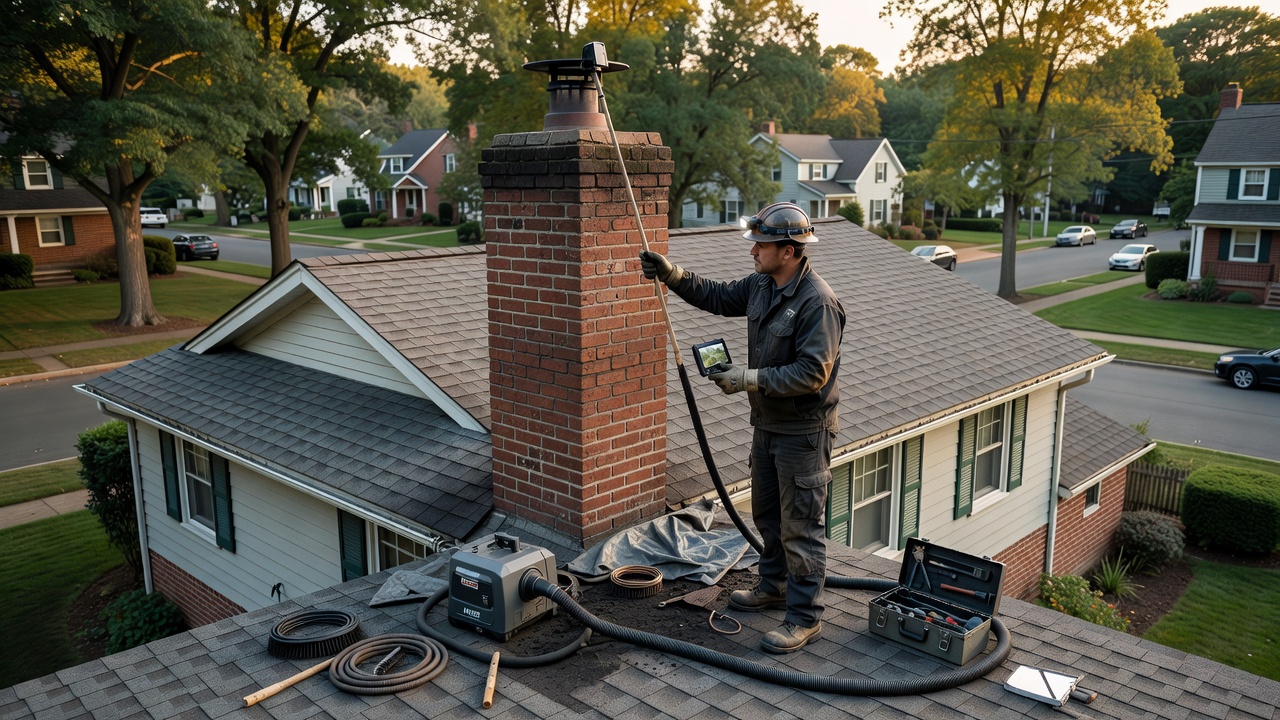
Smart Timing for a Chimney Sweep Near Me Teaneck: 2026 Guide for River Edge Residents
Booking a chimney sweep at the right moment saves you money, avoids a long wait, and keeps your family safe before the first cold night of the season. River Edge homeowners many of you are sitting on Colonial-era and mid-century homes with original masonry chimneys tend to call us in October, when every other household in Bergen County has the same idea. By then, our schedule is packed and yours is stressful. This guide walks you through how to time your service properly and what it actually costs to wait.
Before You Start: Know What You Have
Not every chimney is the same, and that matters for timing. A wood-burning fireplace used weekly through winter needs annual sweeping, full stop. A gas fireplace insert is lower-maintenance but still requires an annual inspection under NFPA 211, the standard that governs chimney system safety in the United States. If you have an older home and River Edge has a lot of them, especially along Howland Avenue and the streets closest to the Hackensack River there is a real chance your liner is original terra-cotta and showing wear. That changes both the urgency and the scope of work.
Before you book anything, do a quick visual: look up into the firebox with a flashlight and check the damper. If you see visible debris, a strong animal smell, or white staining on your exterior brick, those are flags worth mentioning when you call. Our technicians will ask about these things anyway, but the more you know going in, the faster we can scope the job.
Step 1 — Target the Late-Summer Window
The best time to book a chimney sweep near me Teaneck and anywhere in Bergen County is July through early September. That window sounds early, but it lines up with when our schedule has the most flexibility and when homeowners have genuine leverage. During those months, a standard Level 1 inspection combined with a sweep typically runs $150–$225 for a single-flue fireplace. That price point reflects normal demand. Once October arrives, wait times stretch to two or three weeks and some service providers add peak-season surcharges.
A homeowner in River Edge called us last August she had bought a 1952 cape on Summit Avenue the previous winter and had never had the chimney looked at. We were able to schedule her within four days, complete a Level 2 inspection (required after any change in ownership according to NFPA 211), and identify a cracked tile liner section before she ever lit a fire. Had she waited until November, she would have been in a queue behind dozens of Oradell and New Milford customers facing the same seasonal crunch. Instead, she had her liner repaired and her system certified before Thanksgiving.
Step 2 — Understand What a Season’s Delay Actually Costs
Skipping or delaying a sweep is not a neutral decision. Creosote the byproduct of burning wood accumulates in layers. According to the Chimney Safety Institute of America (CSIA), a chimney fire can reach temperatures exceeding 2,000°F, hot enough to crack a flue liner and ignite surrounding framing. First-degree creosote is brushable and inexpensive to remove. Third-degree creosote requires chemical treatment, additional labor, and sometimes full relining. The difference in cost between catching it early and catching it late can run from a few hundred dollars to well over $2,000 for relining a single flue.
There is also the insurance dimension. Many homeowners’ policies require documented annual maintenance. If a chimney-related fire occurs and you cannot show a recent inspection record, a claim denial is a real possibility. We see this conversation come up with customers in Fort Lee and Englewood Cliffs, where older high-rise and townhome setups carry specific insurer language about chimney maintenance.
Step 3 — Book Before the Leaves Turn
Set a calendar reminder for the first week of August. When you contact us, have a rough sense of how often you used the fireplace last winter number of burns matters when our technicians assess creosote stage. If you burned more than 30–40 fires over the season, there is a meaningful chance you have second-degree buildup that needs more than a standard sweep pass.
River Edge customers can reach us through the contact form on our website. We do not publish a phone number for online inquiries, but our form response time is typically within one business day during the summer months and two to three days in fall.
Step 4 — Ask the Right Questions When You Inquire
When you reach out for a chimney sweep near me Teaneck, ask specifically whether the technician is CSIA-certified. According to the CSIA, certified sweeps are trained to identify hazards that a general handyman may miss, including deteriorated mortar joints, failed damper seals, and compromised flashing. Ask whether the visit includes a written report ours always do. And ask whether the sweep covers the smoke chamber and smoke shelf, not just the flue. Those two areas trap the most debris and are frequently skipped by lower-cost providers.
If the quote sounds unusually low under $100 for a full sweep and inspection that is worth scrutinizing. Experienced local operators serving communities from Bogota to Leonia are pricing labor and materials honestly. A price that undercuts the market usually means something is being skipped.
Step 5 — Prepare Your Home for the Visit
Clear a three-foot radius around the fireplace opening. Move rugs, decorative items, and anything you would not want near fine ash. Our technicians lay drop cloths and use commercial-grade HEPA vacuums, but a clear workspace helps the job go faster and cleaner. If you have a wood stove insert, let us know in advance the disassembly and sweeping process takes longer than a standard open fireplace, and scheduling for that difference keeps our day running on time for every customer, including your neighbors in Ridgefield Park and Maywood who are booked after you.
Step 6 — Review the Report and Plan Any Follow-Up Work
After the sweep, you will receive a written summary. If our technicians flag anything a spalled liner, deteriorating mortar joints, a rusted damper do not let those items sit through the winter. Cold-weather freeze-thaw cycles in northern New Jersey are hard on masonry. A hairline crack in October can become a structural problem by March. If repointing or relining is recommended, scheduling that work in September or early October, before the first hard frost, keeps costs predictable and the work quality high. Our masonry repair and repointing service and chimney relining service are available to schedule alongside or shortly after your sweep appointment.
Troubleshooting Tip: What to Do If You Smell Smoke After a Recent Sweep
A smoky odor in the first day or two after a sweep is usually residual dust settling, not a problem. If the smell persists beyond 48 hours, or if you notice it when the fireplace is not in use especially on humid days that is most likely a draft or negative pressure issue, not a cleanliness issue. Homes in River Edge with newer HVAC systems often have tighter building envelopes that affect chimney draft. Contact us through our website and describe the smell pattern; we can usually diagnose it remotely and let you know whether a return visit is warranted before you book one.
We work with homeowners across Bergen County every season, and we can tell you without hesitation: the families who call in summer sleep easier in January. If you are in River Edge or anywhere nearby and want a straight answer about your chimney’s condition, reach out through our website contact form for a free estimate. We will tell you exactly what we find and exactly what it will cost no pressure, no upsells.
Frequently Asked Questions
How often should a chimney be swept in River Edge, NJ?
For a wood-burning fireplace used regularly through our northern New Jersey winters, once a year is the standard recommendation under NFPA 211. If you burn frequently more than 40 fires a season or use unseasoned wood, a mid-season check is worth considering. Gas appliance chimneys should be inspected annually even if sweeping is less frequent.
What does a chimney sweep near me Teaneck typically cost in 2026?
For a single-flue wood-burning fireplace, a combined sweep and Level 1 inspection generally runs $150–$225 in Bergen County during off-peak months. Prices for multi-flue systems, Level 2 inspections, or late-season bookings are higher. Get a written quote before any work begins.
What is the difference between a Level 1 and Level 2 inspection?
A Level 1 inspection covers accessible portions of the chimney interior and exterior the standard annual check. A Level 2 inspection, which NFPA 211 requires when a home changes ownership or after a chimney event like a fire or severe weather, includes video scanning of the flue and a more detailed structural assessment. If you recently bought your River Edge home, request a Level 2.
Is August really a good time to schedule, or will the technician miss summer creosote?
Creosote from last winter is already fully deposited and dry by August it is not going anywhere. Scheduling in summer means a shorter wait, more scheduling flexibility, and time to address any repairs before the heating season. There is no benefit to waiting.
Do I need to be home during the chimney sweep appointment?
Yes. An adult homeowner or authorized representative should be present. Our technicians will walk you through their findings at the end of the visit and answer questions on the spot. The written report supplements that conversation but does not replace it.
What if my chimney hasn’t been swept in several years?
Do not light a fire until it has been inspected. Multi-year buildup increases the risk of a chimney fire significantly, and the sweep itself may take longer than a standard appointment. Let us know when you inquire so we can schedule appropriate time and bring the right equipment.
Related from Teaneck Chimney: Chimney Inspection in Teaneck, NJ · Smart Chimney Cap Installation Teaneck NJ