
Smart Chimney Cap Installation Teaneck NJ: 2026 Guide for Teaneck Residents
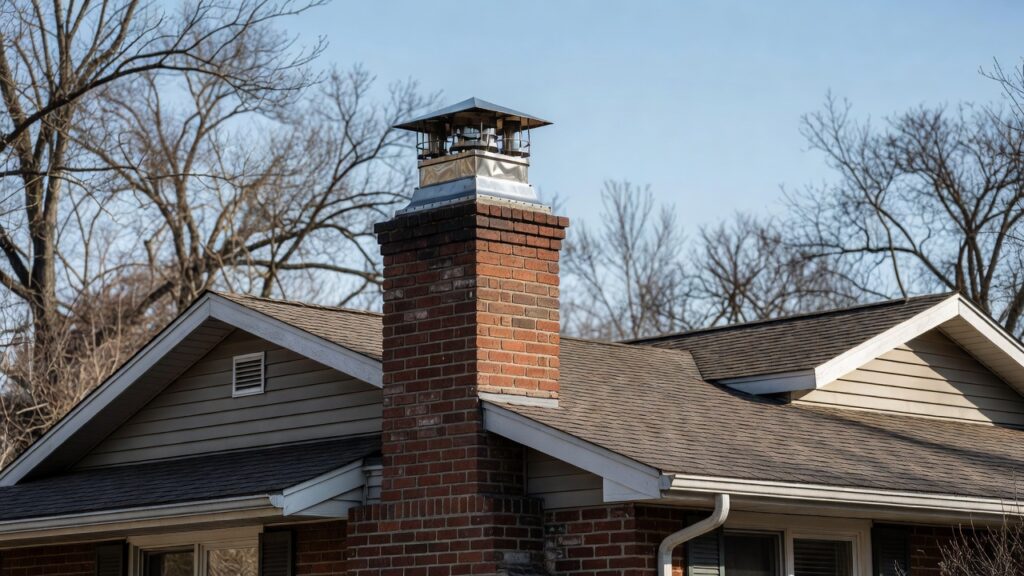
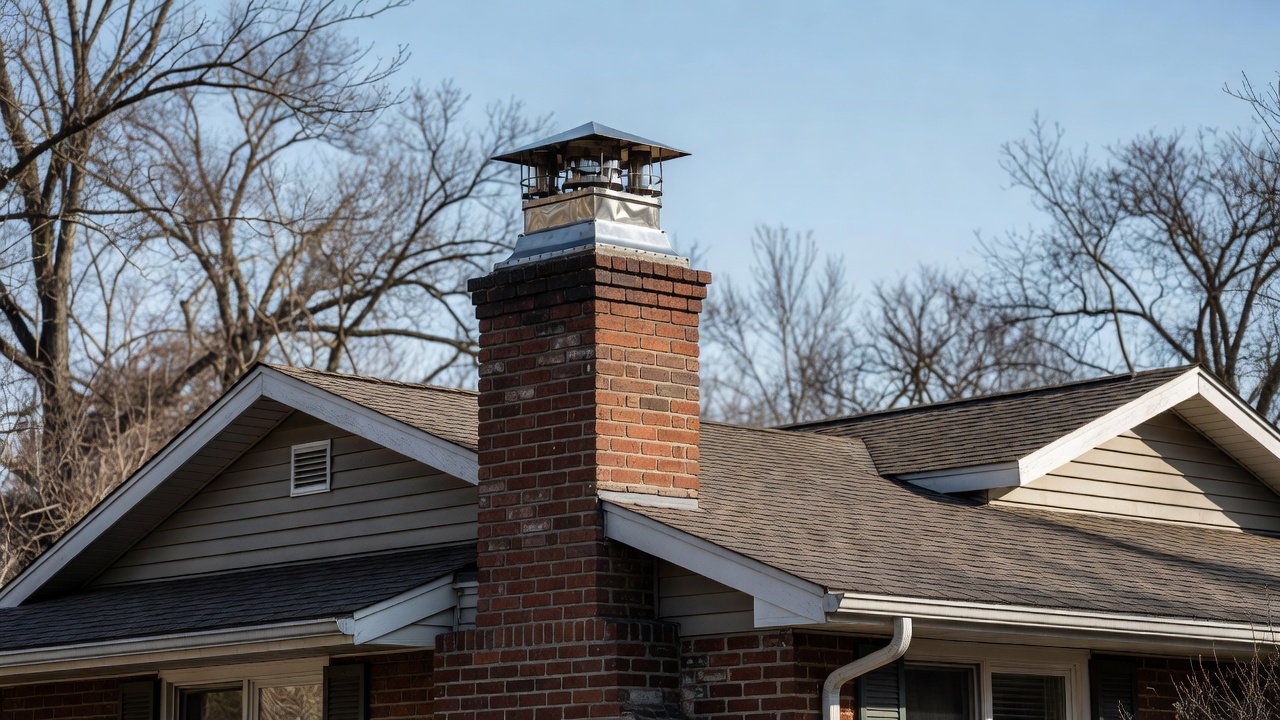
A quality chimney cap costs somewhere between $150 and $600 installed, depending on flue size, material, and whether the masonry needs any prep work first. That range sounds manageable until you hire the wrong contractor and spend twice that fixing water damage the following spring. Chimney cap installation in Teaneck NJ sounds simple on paper, but the contractor you choose makes a bigger difference than the cap itself.
This guide is written to help Bergen County homeowners hire well, not to sell you on any one company. Read it before you call anyone.
A Leonia Homeowner’s $900 Lesson
A homeowner in Leonia reached out to us last February after a handyman had installed a universal-fit cap on a multi-flue chimney the previous fall. It seemed fine until a nor’easter pushed driven rain straight into the open flue the cap wasn’t actually covering. The result was a soaked smoke chamber, spalled mortar joints, and a liner that needed evaluation before the fireplace could be used safely again. The original cap installation had cost $95. The follow-up work was considerably more.
That’s not an unusual story around here. The freeze-thaw cycles we get every winter in Bergen County temperatures swinging above and below freezing sometimes within the same week accelerate any moisture problem that’s already present. A properly fitted cap stops that cycle before it starts.
What Credentials Actually Mean for This Work
Chimney cap installation isn’t licensed the way plumbing or electrical work is in New Jersey, which is exactly why credentials matter more, not less. Anyone with a ladder and a caulk gun can claim to do the job.
Look for technicians certified by the Chimney Safety Institute of America (CSIA). According to the CSIA, certified sweeps are required to demonstrate working knowledge of chimney system components, clearances, and applicable codes including NFPA 211, the standard that governs chimney systems in the U.S. A cap that’s sized or positioned incorrectly can interfere with draft, trap exhaust, or leave part of the flue exposed. A CSIA-certified technician knows how to avoid those problems.
NFPA 211 (2026 edition) specifies that all chimney terminations must be capped in a way that prevents entry of rain, debris, and animals while still allowing proper venting. That’s a code requirement, not just a best practice. Ask any contractor you’re considering whether they’re familiar with that standard. Vague answers are informative.
If the job involves masonry for instance, replacing a damaged crown before setting the cap make sure the company has demonstrable masonry experience, not just chimney sweeping. Our masonry repair and repointing service and our chimney inspection service frequently turn up crown damage that should be addressed before any cap goes on. A good contractor will tell you that upfront.
Questions to Ask Before You Hire Anyone
These aren’t trick questions. They’re the kind of thing any competent contractor should be able to answer without hesitation.
Are your technicians CSIA-certified? Ask for the certification number if you want to verify. The CSIA maintains a public directory.
How do you measure for cap fit? A proper cap is sized to the flue tile dimensions, not the outside of the chimney. If they say they’ll figure it out when they get there, that’s not a good sign.
What material do you recommend for my flue configuration, and why? Stainless steel is generally the right answer for most Bergen County homes because it handles our winters without rusting or warping. Galvanized steel is cheaper but degrades faster in wet climates. A contractor who recommends galvanized and can’t explain why should have to justify that recommendation.
Do you inspect the crown and flue opening before installation? A cap sitting on a cracked crown is a short-term fix. The crown should be evaluated first, and ideally a Level 1 chimney inspection should accompany any cap replacement so you know the full condition of the system.
What warranty do you offer on the cap and the labor? Manufacturers typically warrant stainless caps for life against rust. Labor warranties vary one to three years is reasonable for Bergen County contractors.
Can you provide a written quote before work begins? This is non-negotiable. Verbal estimates become disputes.
Red Flags Worth Walking Away From
We’ve heard these stories from homeowners across the area from Fort Lee to River Edge, from Ridgefield Park to Englewood Cliffs. Some patterns come up repeatedly.
A contractor who quotes you a firm price sight-unseen, over the phone, without knowing your flue dimensions or chimney height, is guessing. That’s fine for a rough budget number, but it shouldn’t be the final price on a written proposal.
Watch out for anyone who pressures you to decide the same day, especially if they’re already on your roof and telling you the cap is about to fall off. Urgency is a sales tactic. A deteriorating cap is a real problem, but it’s rarely a same-afternoon emergency that requires you to skip comparing quotes.
Be cautious with contractors who can’t or won’t show you the cap before installation. You should be able to see the product, look it up, and verify it’s an appropriate fit. No-name caps sourced from wherever the truck happened to stop are not the same as a properly specified stainless steel unit from a reputable manufacturer.
If the quote doesn’t break out labor and materials separately, ask for that breakdown. Bundled pricing makes it impossible to compare quotes fairly across contractors.
How to Compare Quotes Without Getting Confused
When you have two or three written quotes in front of you, compare them line by line. Make sure each one specifies the cap material and gauge, the size of the cap relative to your flue, whether crown inspection or prep work is included, and what the labor warranty covers.
A quote that’s $80 cheaper but uses a galvanized cap with no warranty and no crown inspection is not the same service as one that uses a stainless unit with a written labor guarantee. Price is one variable. It shouldn’t be the only one.
According to the CSIA, chimney caps are one of the most cost-effective protective measures a homeowner can take preventing water intrusion, animal entry, and ember escape. That’s worth paying for once, correctly.
Homes in Teaneck, Maywood, New Milford, and across Bergen County were largely built between the 1940s and 1980s. Many of those chimneys have original clay tile liners and mortar crowns that have been through decades of northern New Jersey winters. The cap is the first line of defense for all of that. Choose the contractor who treats it that way.
Get a Free Estimate from Teaneck Chimney
We’re local, we’re certified, and we’ll give you a written quote with no pressure. If you’re weighing chimney cap installation in Teaneck NJ or anywhere in Bergen County reach out through our website, contact form and we’ll set up a time to take a look. We’d rather you hire us because the proposal makes sense than because we rushed you into it.
Frequently Asked Questions About Chimney Cap Installation in Teaneck NJ
How much does chimney cap installation in Teaneck NJ typically cost in 2026?
Most Bergen County homeowners pay between $150 and $600 for a professionally installed chimney cap, depending on the number of flues, the cap material (stainless steel vs. galvanized), and whether the crown needs any repair work before installation. Single-flue stainless caps on a straightforward chimney tend to land in the $175–$350 range for the full job.
Do I need a permit for chimney cap installation in New Jersey?
In most Bergen County municipalities, replacing an existing cap with a like-for-like unit does not require a permit. If the work involves structural masonry changes or liner work, that may trigger a permit requirement. When in doubt, your contractor should be able to confirm local requirements for Teaneck or your specific municipality.
What kind of chimney cap is best for Bergen County winters?
Stainless steel is the right call for this climate. It handles repeated freeze-thaw cycles without rusting or warping, and most stainless caps carry a lifetime manufacturer warranty against rust. Galvanized steel is cheaper upfront but tends to corrode faster in wet northern New Jersey winters.
How do I know if my chimney cap needs replacing versus just cleaning?
A Level 1 chimney inspection will give you a clear answer. Signs that replacement is likely due include visible rust, broken mesh screening, a cap that’s shifted or no longer covering the full flue opening, or evidence of animal entry or water staining inside the firebox.
Can a chimney cap improve my fireplace’s draft?
Yes, in some cases. Certain cap designs particularly those with wider hoods or directional covers can reduce downdraft caused by wind. If you’ve had persistent smoke rollback issues in certain wind conditions, mention that to your contractor. It may influence the cap style they recommend.
Is chimney cap installation something I can do myself?
Technically, yes but the access alone (working on a sloped roof near a chimney) carries real fall risk, and an improperly sized or seated cap creates the water and animal-entry problems you’re trying to prevent. Most homeowners in Teaneck and surrounding Bergen County towns find the professional installation cost is worth the safety margin and the warranty coverage that comes with it.
Related from Teaneck Chimney: Chimney Inspection in Teaneck, NJ · Smart Timing for Chimney Repair Englewood Cliffs NJ