
Honest Chimney Repointing Teaneck NJ: 2026 Guide for Ridgefield Park Residents
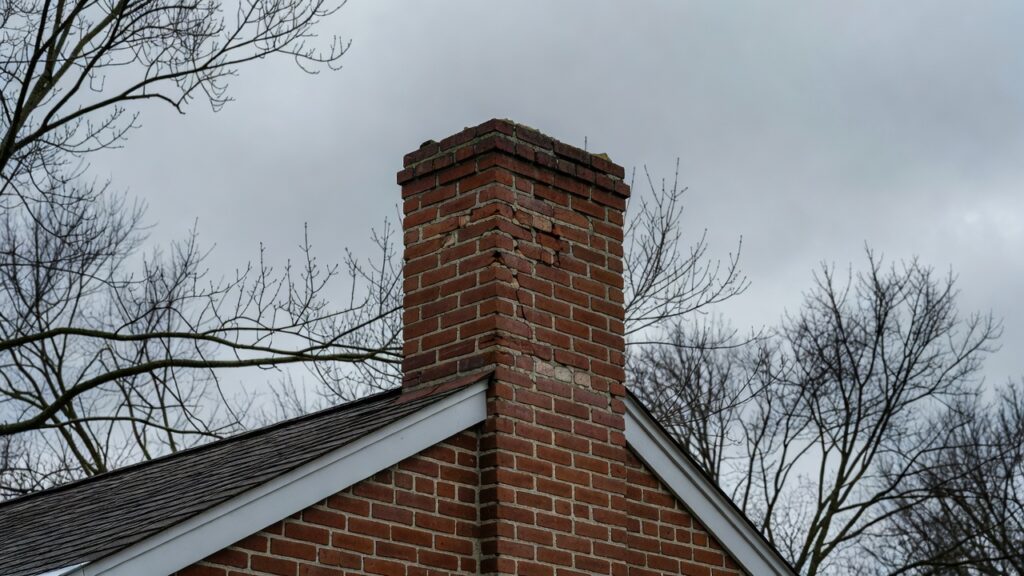
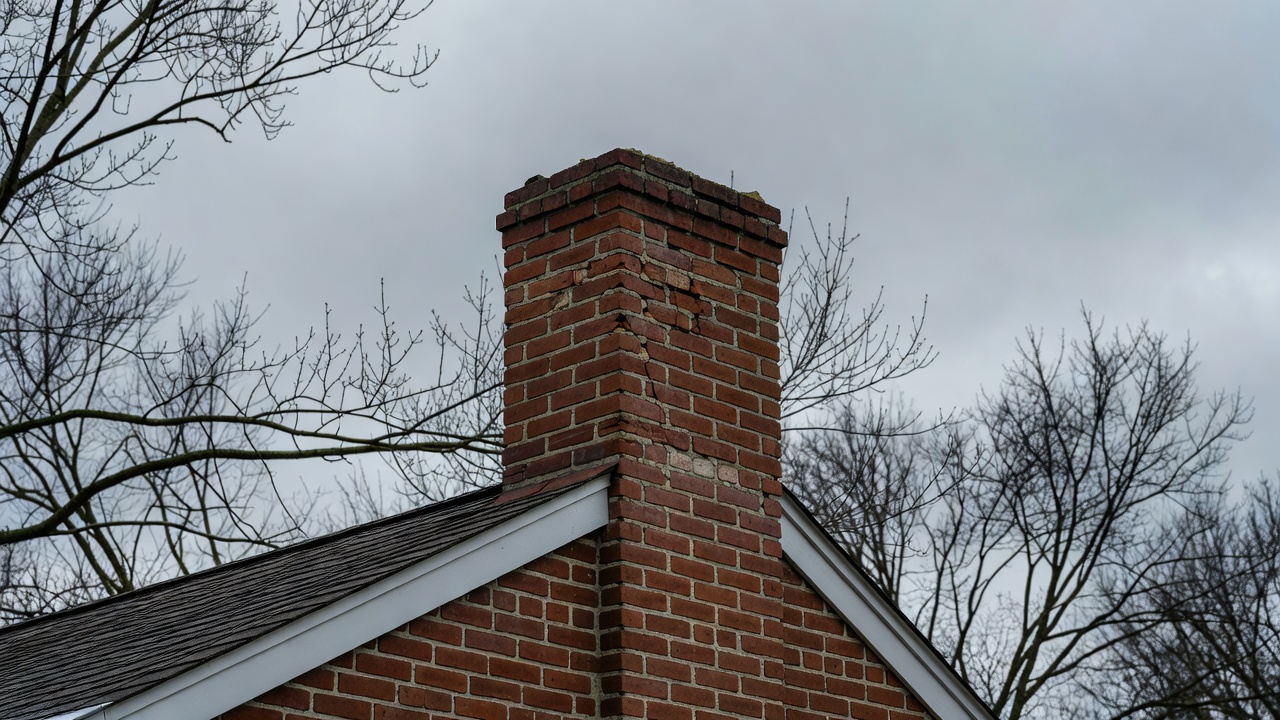
March in Bergen County is a good time to walk around your property and look up. After a winter of hard freezes and the thaw cycles that follow, the mortar joints on older chimneys take a beating and Ridgefield Park has no shortage of colonials and cape cods with brick chimneys that have been standing since the 1950s and 60s. If you spot crumbling, recessed, or sandy mortar between the bricks, you are looking at a chimney repointing Teaneck NJ job. The question most homeowners ask us next is fair: how much of this can I handle myself, and when do I actually need to call someone?
We want to give you a straight answer, not a sales pitch.
What Repointing Actually Involves
Repointing sometimes called tuckpointing means grinding or chiseling out the deteriorated mortar to a depth of roughly three-quarters of an inch and packing in fresh mortar that is properly matched to the original. The match matters more than most people realize. According to NFPA 211, the standard for chimneys and venting systems current to 2026, mortar composition and joint integrity are structural requirements, not cosmetic ones. Use a mix that is too hard modern Portland cement against older soft brick and you accelerate spalling, because the brick itself becomes the sacrificial material in freeze-thaw cycles rather than the joint.
A homeowner in Ridgefield Park called us last February after attempting to repoint the bottom four courses of their chimney over the previous fall. They had used a pre-mixed big-box mortar. By January, several bricks had begun to crack at the face. The repointing work had actually made things worse, and what started as a relatively contained repair turned into a partial rebuild of the chimney base. We are not telling that story to scare anyone we are telling it because the mortar specification is the single most common and most consequential mistake in DIY chimney repointing.
What a Capable Homeowner Can Reasonably Handle
There is genuinely useful work you can do yourself, and we would rather you do it than ignore the chimney altogether.
If you are comfortable on a ladder and the work is on an accessible section of chimney that is no more than one or two feet above the roofline say, on a low-pitch roof where you can sit steadily you can clean out loose, powdery mortar with a cold chisel and a stiff brush, assess the depth of deterioration, and apply a chimney-specific mortar caulk as a temporary patch on one or two joints. Products labeled for chimney and masonry repair, rated to 2,000°F or higher, are appropriate here. This is a holding measure, not a permanent fix, and you should treat it that way.
You can also do the diagnostic work: photograph the joints up close with a phone, look for horizontal cracks along bed joints, and check the crown and cap while you are up there. Sending us those photos before we arrive saves time and helps us quote more accurately. Homeowners in Leonia and Maywood who do this routinely get faster turnarounds because we walk onto the job with a clearer picture of the scope.
Where DIY Repointing Goes Wrong and Why It Matters for Safety
Beyond the mortar mix issue, there are three other reasons we see DIY repointing create problems that cost more to fix than the original repair would have.
First, access. Repointing a full chimney stack the section that projects above the roof require working from a stable platform, not a leaning ladder. Falls from roofs are a leading cause of serious injury among homeowners doing their own exterior maintenance. We carry proper staging and roof hooks; most homeowners do not.
Second, joint depth. The CSIA recommends that deteriorated mortar be removed to a minimum depth of three-quarters of an inch before new mortar is applied. Feathering new mortar over shallow old mortar produces a bond that fails within one or two winters. Achieving consistent depth across an entire chimney takes the right grinder with a tuckpointing wheel, which is a specialized tool most homeowners would buy once and never use again.
Third, code and insurance exposure. In Bergen County, work that affects the structural integrity of a chimney may require a permit depending on scope. More practically, if a chimney fire or water intrusion causes a claim and an adjuster determines that non-professional repointing contributed to the damage, coverage can be contested. We see this more often than homeowners expect.
What Repointing Costs in This Area in 2026
For a standard two-story home in Ridgefield Park or neighboring Fort Lee, professional chimney repointing on a single stack typically runs between $400 and $900 for moderate deterioration meaning the mortar is recessed and crumbling but the bricks themselves are intact. If there is spalling brick, a damaged crown, or structural movement in the stack, costs go up because those are separate repairs. We pair repointing work with a Level 1 inspection as part of our standard process, so we are not repointing over a problem we have not seen. If you have not had our chimney inspection service out in the last few years, that is the right starting point before any mortar work begins.
Homeowners in Englewood and Palisades Park with older colonials sometimes find that the crown needs resurfacing at the same time a separate but related service our masonry team handles on the same visit when possible.
The Honest Call: When to Stop and Phone Us
Stop and call a professional if you see: horizontal cracks running through the bricks themselves (not just the mortar); white efflorescence staining on interior walls near the chimney; daylight visible through the firebox into the flue when looking up; or mortar that crumbles to dust when you press it with a finger across more than a foot of continuous joint. These are indicators that the deterioration is beyond cosmetic repointing and may involve our chimney relining service, structural rebuilding, or both.
For homeowners in River Edge, Oradell, and across Ridgefield Park who are not sure what they are looking at, we are happy to take a look and tell you honestly whether it needs professional work now, can wait a season with a temporary patch, or is actually fine. We would rather make that trip and tell you nothing urgent is needed than have you attempt a repair that creates a bigger problem.
To schedule a free estimate, reach out through the contact form on our website. We serve Ridgefield Park and the surrounding Bergen County communities year-round.
Frequently Asked Questions About Chimney Repointing in Ridgefield Park and Bergen County
How do I know if my chimney needs repointing or a full rebuild?
Repointing is appropriate when the mortar joints are deteriorated but the bricks are structurally sound. If bricks are cracked, spalled through their face, or if sections of the chimney have shifted or leaned, you are looking at partial or full rebuilding. A Level 2 chimney inspection is the most reliable way to determine scope before any money is spent on materials or labor.
Can I use regular mortar from a hardware store for chimney repointing?
Standard Portland cement mortar is generally too hard for older brick chimneys. Most pre-1980 Bergen County homes were built with softer brick that requires a Type O or Type N mortar lower compressive strength, higher lime content. Using the wrong mix causes the bricks to crack rather than the joints, which is significantly more expensive to repair. Always match the mortar to the brick, not the other way around.
Is chimney repointing in Teaneck NJ something that needs a permit?
In most Bergen County municipalities, minor mortar repair does not require a permit. Structural chimney work rebuilding sections, altering height, or relining generally does. When in doubt, check with your local building department before starting. We can advise on scope when we assess the job.
How long does repointing last on a chimney in New Jersey’s climate?
Done correctly with properly matched mortar, professional repointing typically lasts 20 to 30 years. Northern New Jersey’s freeze-thaw cycles are hard on masonry, so a chimney cap and sound crown both of which reduce water infiltration extend the life of the repointing work significantly. Skipping those elements while repointing is a false economy.
What time of year is best for chimney repointing in Bergen County?
Late spring through early fall is the practical window. Mortar needs to cure above 40°F for at least 24 to 48 hours after application. In Ridgefield Park and surrounding towns, that means roughly May through October is the reliable season, though a stretch of warm weather in March or April can also work. We schedule repointing jobs throughout the warmer months and tend to book up by mid-summer.
Does repointing fix a leaking chimney?
Deteriorated mortar joints are one of the most common entry points for water, so repointing often resolves a significant portion of chimney leaks. However, water can also enter through a cracked crown, a missing or damaged cap, deteriorated flashing, or a failed liner. We always diagnose the source before recommending a repair, because repointing alone will not stop a leak that originates at the flashing.
Related from Teaneck Chimney: Essential Chimney Inspection Teaneck NJ · Smart Timing for a Chimney Sweep Ridgefield Park NJ